

Responsible gambling starts with deciding your boundaries before entertainment becomes impulsive. The Canadian information available for casino online spinsy describes a browser-based casino and sportsbook with account support, self-exclusion requests and monitoring for potentially harmful gambling behaviour. However, public descriptions of additional self-service limits are inconsistent, so players should confirm which controls are actually available on their account. A practical plan combines clear spending rules, time awareness, cautious use of promotions and a willingness to pause when gambling stops feeling recreational.
Decide what gambling is allowed to cost
A safer gambling budget should come from spare money rather than rent, food, debt payments or other essentials. Choose a fixed amount for a day, week or month, then treat it as the full cost of entertainment. Do not increase it because a previous session ended badly, and do not regard a win as permission to spend more than planned. The objective is not to create a system for winning; it is to keep losses predictable and affordable.
Write the boundary down before opening an account or beginning a session. A useful plan can include the maximum amount available, the date on which the limit resets and a rule against borrowing. It may also specify that unused money does not roll into a larger gambling budget. If your financial circumstances change, reduce or suspend the amount rather than trying to recover an earlier loss.
Promotions deserve particular caution because bonus balances can make the available amount look larger than the money originally set aside. A welcome offer, cashback campaign or reward may include activation steps, wagering conditions or expiry periods. Those details can change, and eligibility is not guaranteed. Read the current terms in the account before accepting an offer, and decline it if the conditions would encourage spending beyond your plan.
How can you control time as well as money?
Money limits do not address every warning sign. A session can remain financially small while taking more time than intended, interfering with sleep or replacing work, study and social commitments. Set a stopping time before beginning, use a separate alarm and leave the site when it rings. Avoid starting a session when tired, upset, intoxicated or under pressure, since those conditions can weaken ordinary judgement.

Short breaks are useful, but they should not become a way to continue indefinitely. Decide in advance how long the break will last and whether the session ends afterwards. Avoid switching between casino games, live tables and sports markets simply to maintain excitement. Moving from one product to another can make activity feel varied while extending the same gambling session.
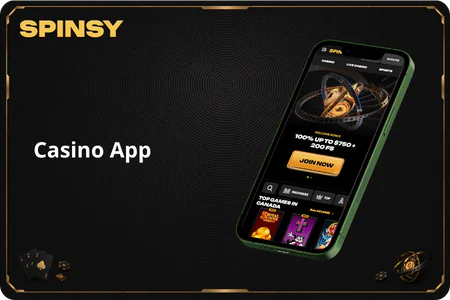
Mobile access can make boundaries harder to notice because gambling is available in more places. Keep the activity out of bedrooms, workplaces and family time, and consider removing saved payment details if they make deposits too easy. The available material describes a mobile browser and a home-screen shortcut rather than requiring a native app. Convenience is not the same as control, so use access only within the limits you established.
Do not assume every account has the same controls
Self-exclusion is the clearest formal step when gambling is no longer manageable. The available information says it can be requested through customer support. Treat that request as a serious interruption, not as a temporary tactic for chasing losses. Ask support to explain the process, effective date, duration and any account consequences, and keep a record of the request and response for your own reference.
Other controls should be verified rather than assumed. Public descriptions of deposit, loss and session-limit tools are inconsistent, so do not rely on a button or setting being present on every Canadian account. Check the responsible-gambling or account area, and ask support which restrictions can be applied, whether they are immediate and whether they can be changed during a cooling-off period.
If you want independent information about gambling-related harm, the Responsible Gambling Council’s information resources provide a useful Canadian reference point. An operator’s controls are only one part of a safety plan. If you cannot maintain a boundary, self-exclusion and outside support are more appropriate than searching for a better promotion or a strategy to win back losses.
Use account monitoring without treating it as protection
Account records can help you see patterns that are easy to miss during individual sessions. Review deposits, withdrawals, bets, bonus activity and the amount of time spent gambling. Compare the record with your original budget rather than judging success only by the current balance. A positive result today does not prove that the overall activity is affordable or controlled.
The available information says account and transaction data may be monitored for fraud prevention, anti-money-laundering checks, security and potentially harmful gambling behaviour. This monitoring may help an operator identify unusual activity, but it should not be treated as a personal safety net. It may not detect every concern, and it does not replace your own limits, records or decisions to stop.
Set a review point after each session or at least once a week. Ask whether you spent more time or money than intended, hid the activity from someone close to you, cancelled plans, or felt pressure to continue after losing. One incident is a reason to pause and reassess, not a challenge to prove greater control. Repeated answers suggest that restricting access or requesting self-exclusion is the safer next step.
Know when a pause should become a firm stop
A pause is appropriate when gambling begins to affect mood, sleep, relationships, work or finances. Make it concrete: stop depositing, avoid promotional messages, remove shortcuts, and tell a trusted person what you are doing. Do not keep playing to test whether the concern is serious. The purpose of a pause is to create distance before another decision is made.
Chasing losses is one of the most important reasons to stop. A later win cannot reliably repair an earlier loss, and increasing stakes changes the size of the risk rather than correcting the result. Similarly, gambling to manage anxiety, loneliness or anger can turn entertainment into an emotional coping mechanism. Address the underlying feeling elsewhere and consider speaking with a qualified support service.
Contact support if you need to request self-exclusion, clarify an account restriction or report a concern about access. Support may ask for identity information before making sensitive account changes, so keep expectations realistic. If gambling is affecting your safety, finances or relationships, involve someone you trust and seek independent help. A responsible choice may be to stop completely, even when no single session appears extreme.
Questions about safer gambling boundaries
Can I rely on a gambling website to set my limits?
No. Account controls can be useful, but the available descriptions do not confirm that deposit, loss and session limits are available in every Canadian account. Check the current account tools and ask support what can be applied. Keep your own budget and time rules, and use self-exclusion if ordinary limits are no longer enough.
What should I do if I start chasing losses?
End the session immediately and do not increase the stake or make another deposit. Record the loss, remove easy access if needed and tell a trusted person. Request a cooling-off period or self-exclusion through support. If the pattern continues or causes distress, seek independent gambling-related help rather than trying another strategy.
Are bonuses compatible with responsible gambling?
They can add complexity and may encourage continued play, especially when wagering or expiry conditions apply. Accept an offer only when its current terms are clear and the required activity fits your existing budget and time limits. Never treat bonus funds, cashback or rewards as income or as a reason to raise your spending.